
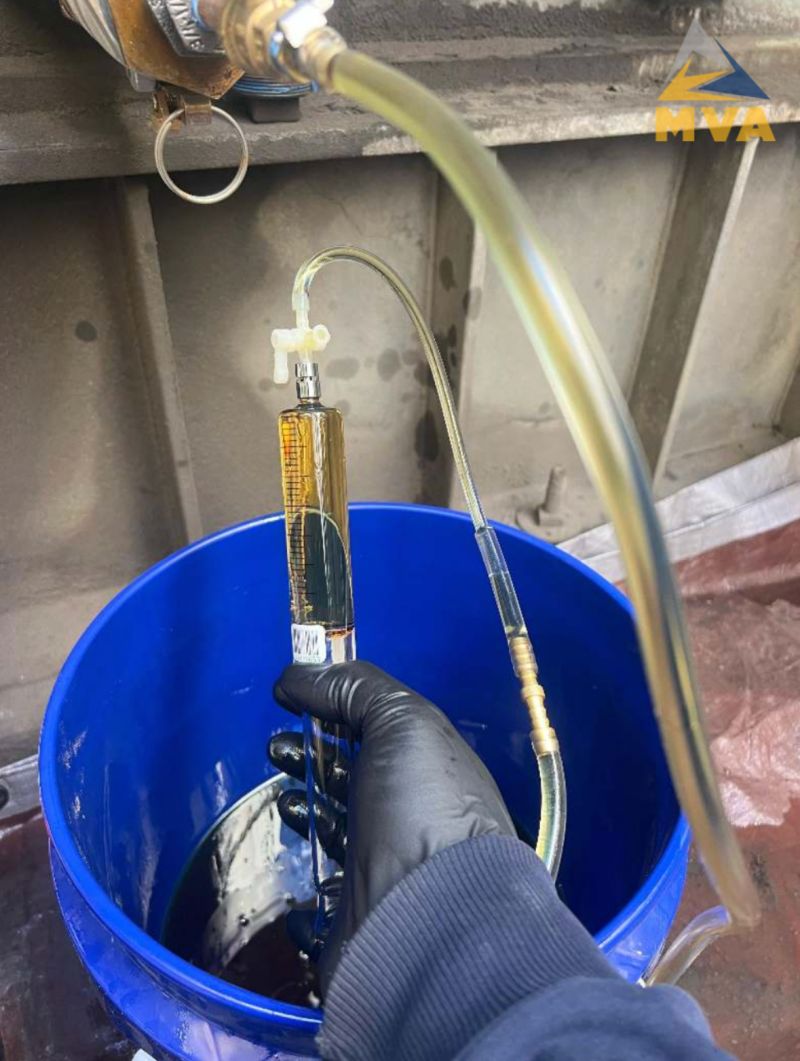
 Reliable transformers usually don’t fail overnight. In most cases, they provide warning signs long before a failure occurs, if you know where to look.
Transformer condition monitoring is the process of evaluating the health of a transformer using diagnostic testing and trend analysis. Rather than waiting for equipment to fail, asset owners can use condition monitoring to identify developing problems early, prioritize maintenance, and extend transformer service life.
Why Transformer Condition Monitoring Matters
Power transformers are among the most valuable assets in an electrical system. Unexpected failures can lead to costly outages, emergency repairs, environmental risks, and lengthy replacement lead times.
A comprehensive condition monitoring program helps utilities and industrial facilities:
- Detect developing faults before they become failures
- Improve system reliability
- Extend transformer life
- Reduce unplanned outages
- Make informed maintenance and replacement decisions
The most effective programs evaluate multiple diagnostic indicators instead of relying on a single test.
The Most Important Transformer Condition Monitoring Tests
Dissolved Gas Analysis (DGA)
DGA is one of the most valuable tools for identifying developing internal faults. As electrical or thermal issues occur inside a transformer, they generate gases that dissolve into the insulating fluid. By measuring these gases and trending results over time, experts can identify problems such as overheating, arcing, partial discharge, and insulation degradation before they become catastrophic failures.
Moisture in Oil
Excess moisture accelerates insulation aging and significantly reduces dielectric strength. Even relatively small increases in moisture can shorten transformer life, making routine monitoring essential.
Dielectric Strength
Dielectric strength measures the insulating capability of transformer oil. Low dielectric strength may indicate contamination from moisture, particles, or aging byproducts that can reduce the oil’s ability to withstand electrical stress.
Acidity (Neutralization Number)
As transformer oil oxidizes, acids begin to form. Elevated acidity accelerates insulation deterioration and sludge formation, reducing cooling efficiency and transformer performance.
Interfacial Tension (IFT)
IFT helps identify early oil degradation before acidity becomes severe. When monitored alongside acidity, IFT provides valuable insight into the condition of the insulating fluid.
Furan Analysis
While most oil tests evaluate the condition of the insulating fluid, furan analysis measures the degradation of the paper insulation itself. Since paper insulation cannot be replaced without rebuilding the transformer, furan analysis is one of the best indicators of overall transformer aging.
Inhibitor Content
Oxidation inhibitors slow the aging of transformer oil. Monitoring inhibitor levels helps determine when replenishment may be necessary to maximize oil life.
PCB Analysis
For older transformers, PCB testing helps determine regulatory compliance and proper handling requirements before maintenance, transportation, or disposal.
No Single Test Tells the Whole Story
One abnormal result doesn’t always indicate a failing transformer, and one normal result doesn’t guarantee everything is operating perfectly.
The most accurate transformer condition assessments combine multiple laboratory tests with historical trending and expert interpretation. Looking at the complete picture helps identify subtle changes that may otherwise go unnoticed and supports better maintenance planning.
Partner with MVA Diagnostics
At MVA Diagnostics, we provide comprehensive transformer oil diagnostic testing backed by experienced engineers who understand how to interpret the data, not just generate reports. Our testing programs help utilities, industrial facilities, and service providers make informed decisions that improve reliability, reduce risk, and extend transformer life.
Ready to strengthen your transformer condition monitoring program? Contact MVA Diagnostics to learn how our comprehensive oil analysis services can help you detect problems early and keep your critical assets operating reliably.